You'll see just how Henson Architecture treats historical buildings as design resources, preserving character while including thoughtful contemporary components that never resemble. You'll find out sensible strategies for material-compatible reconstruction, reversible treatments, and energy-conscious upgrades that value initial textile. There's an equilibrium between meticulous fixing and new work that complements rhythm and range-- and a couple of lessons from real jobs that may transform how you consider maintaining value and adapting use.The Viewpoint Behind Mixing Restoration and Modern Design When you enter a Henson job, you'll see just how they deal with history not as a constraint however as a design source: they protect character-defining components while architects near me introducing modern interventions that boost function and comfort.You'll acknowledge their philosophy in every decision: historic preservation guides options, reconstruction areas initial craftsmanship, and
modern design brings brand-new life without eliminating the past.You'll value flexible reuse that adapts areas to current demands, products preservation that prolongs longevity, and lasting retrofit methods that decrease environmental impact.You'll observe sensitivity to building context and a dedication to heritage worth, accomplishing historic-modern combination that feels inevitable.You'll leave persuaded that thoughtful, disciplined blending develops buildings that honor background and serve today.Techniques for Respectful Historic Preservation Although preservation can best architecture companies feel like careful restraint, Henson approaches it as an energetic toolkit: you'll see methods that maintain structures, preserve original materials, and insert modern-day systems without getting rid of character.You'll begin with preservation preparation that maps significance, evaluates material conservation needs, and prioritizes architectural details.Restoration methods highlight period-appropriate design and workmanship, repairing as opposed to replacing masonry, woodwork, and finishes.When adaptive reuse is appropriate, you'll reconfigure interiors to satisfy building regulations while keeping defining features.Henson equilibriums code
upgrades-- mechanical, accessibility, fire-- with very little treatment, documenting treatments for future stewardship.Contextual infill is taken care of sensitively, matching scale and rhythm so new job supports the historical fabric.This approach preserves value, credibility, and lasting resilience.Integrating Contemporary Additions Without Competing If you desire a contemporary addition to enhance a historical structure, start by allowing the original form and materials lead you: check out the rhythm of cornices, window
proportions, and massing, then design new job that complements those signs instead of mimics them.You'll make use of contextual design to position interventions that appreciate massing and scale, focus on product compatibility, and preserve exterior level of sensitivity. Pick subtle interventions that celebrate heritage craftsmanship while enabling flexible reuse; allow patina assimilation notify finishes so brand-new joins age gracefully.Favor reversible enhancements so future guardians can recover initial fabric.In method you'll balance modern
program needs with historic preservation concepts, developing enhancements that check out as deliberate, quieter friends rather than competing statements.Sustainable Upgrades That Honor Initial Material By valuing original materials and construction methods, you can present sustainable upgrades that lengthen a structure
's life without erasing its personality. You'll approach historic preservation and flexible reuse with an attitude that focuses on materials conservation and heritage preservation, selecting a lasting retrofit that enhances the structure envelope while keeping initial fabric.You'll couple energy-efficient systems with easy design strategies-- improving insulation, repairing windows, and adding very discreet a/c and lighting upgrades-- to lower intake without changing appearance. Green repair indicates minimal intervention: you'll record status quo, match products, and use reversible techniques so future guardians can continue
care.Case Research studies: Transformative Tasks and Lessons Discovered When you go through Henson's restored projects, you'll see just how careful decision-making turns vulnerable historical fabric into resistant, usable area-- each study reveals which treatments worked, which really did not, and why.You'll check out adaptive reuse that stabilized repair and conservation, assisted by strenuous heritage evaluation and respect for material authenticity.You'll observe contextual design choices that maintained streetscape character while presenting incorporated systems for energy and safety.You'll learn where workmanship resolved outlining obstacles and where modern insertions required reevaluation.Each task emphasizes community involvement as a design vehicle driver, showing that stakeholder input prevents expensive reversals.These study educate you functional trade-offs: prioritize initial material when feasible, accept careful substitute when essential, and constantly document decisions to notify future historic preservation work.Conclusion You have actually seen how Henson Architecture deals with historical structures as living sources, bring back
stonework, woodwork, and finishes while adding contemporary components that respect original type without duplicating it. You'll value their reversible, material-compatible strategies and energy-smart retrofits that expand developing life and fulfill
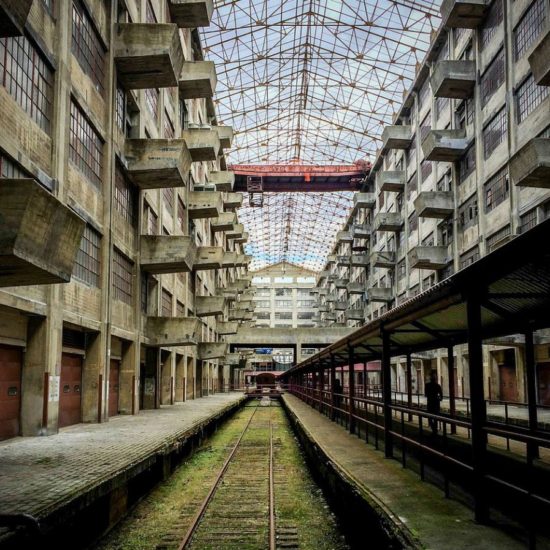

contemporary requirements. By engaging communities and documenting treatments, they safeguard heritage value and maintain choices open for future stewards,
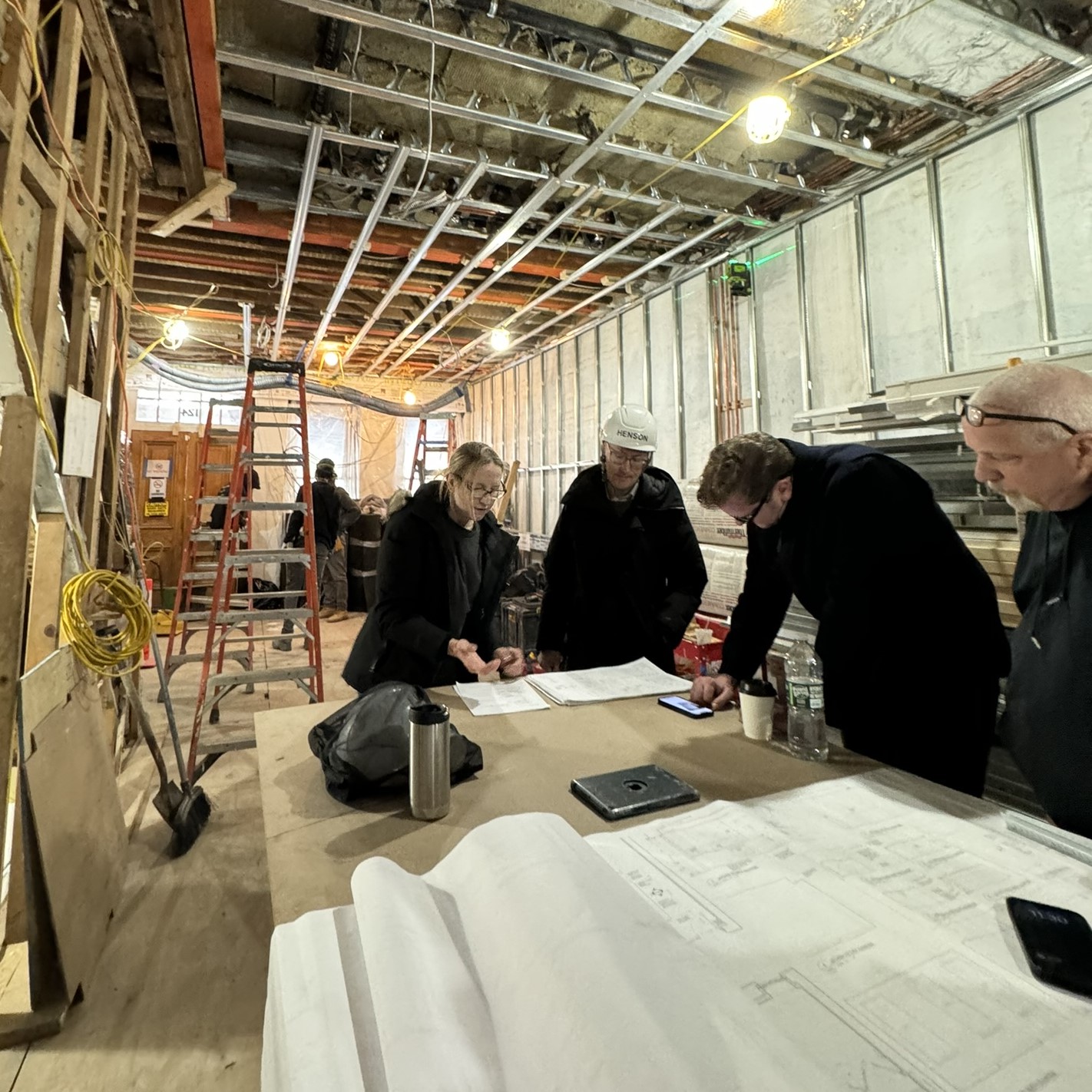
making sure past craftsmanship notifies thoughtful, lasting design moving forward.
Name: Henson Architecture
Address: 27 W 20th St #1201, New York, NY 10011
Phone: (212) 995-2464
Website: https://www.hensonarchitect.com/